


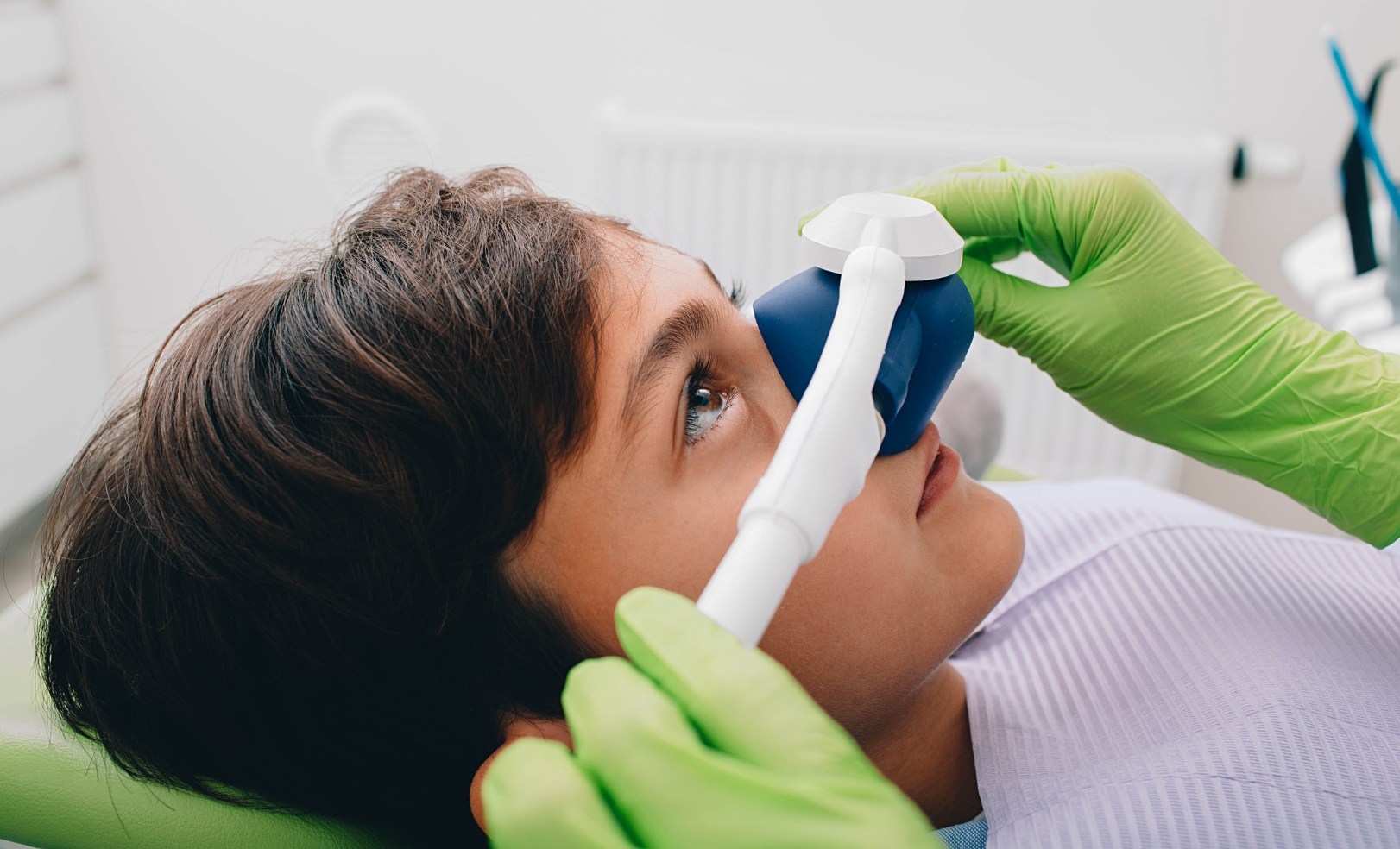
Dental visits can feel overwhelming for many children. The unfamiliar environment, strange sounds, and fear of pain often lead to anxiety that makes routine dental care difficult. For parents, the situation can turn a simple checkup into a stressful experience. Fortunately, sedation dentistry for kids offers a safe and effective solution to help children feel calm, comfortable, and confident during their dental visits.
Understanding Dental Anxiety in Children and Its Impact on Oral Health
Dental anxiety in children is more common than many parents realize. It can stem from:
- Fear of pain or discomfort
- Negative past experiences
- Fear of the unknown
- Sensory sensitivities (sounds, smells, or instruments)
When dental anxiety goes unaddressed, it can lead to serious oral health issues. Children may avoid dental visits altogether, resulting in untreated cavities, infections, and long-term dental problems.
Why It Matters
Untreated dental anxiety can cause:
- Delayed dental care
- Poor oral hygiene habits
- Increased risk of tooth decay
- Difficulty managing dental visits in adulthood
That’s why early intervention with pediatric sedation dentistry is essential not just for comfort but for lifelong oral health.
What Is Pediatric Sedation Dentistry and How Does It Work?
Pediatric sedation dentistry involves using safe, controlled medications to help children relax during dental procedures. It is commonly recommended for children who:
- Experience severe dental anxiety
- Have difficulty sitting still
- Require extensive dental treatment
- Have special healthcare needs
How It Works
Sedation works by calming the child’s nervous system, reducing fear and discomfort. Depending on the type of sedation used, your child may:
- Feel deeply relaxed
- Remain awake but calm
- Have little to no memory of the procedure
Types of Sedation Dentistry for Kids: Choosing the Right Option
Not all children require the same level of sedation. Here are the most common options used in sedation dentistry for kids:
1. Nitrous Oxide (Laughing Gas)
This is the most common and mildest form of sedation.
- Administered through a small mask
- Helps children feel relaxed and happy
- Wears off quickly after the procedure
Ideal for mild anxiety or short procedures
2. Oral Sedation
This involves giving the child a prescribed medication before the appointment.
- Helps children feel drowsy and calm
- Still conscious but less aware of surroundings
- Effects last longer than nitrous oxide
Suitable for moderate anxiety or longer treatments
3. IV Sedation
Administered through a vein, it provides deeper relaxation.
- Works quickly and effectively
- Child remains in a semi-conscious state
- Often used for more complex procedures
Recommended for severe anxiety or extensive dental work
4. General Anesthesia
Used in specialized settings for complete unconsciousness.
- Child is fully asleep
- No awareness of the procedure
- Requires close monitoring
Reserved for extreme cases or special needs children
Benefits of Pediatric Sedation Dentistry for Anxious Children
Choosing pediatric sedation dentistry can significantly improve your child’s dental experience. Here are some key benefits:
Reduces Fear and Anxiety
Sedation helps children stay calm, making dental visits less intimidating.
Ensures Comfort
Pain and discomfort are minimized, allowing for a smoother procedure.
Improves Cooperation
Children who struggle to sit still can receive treatment safely and efficiently.
Allows Multiple Treatments in One Visit
Dentists can complete more work in fewer visits, reducing overall stress.
Builds Positive Dental Experiences
A comfortable visit can help children develop a healthier attitude toward dental care.
How Parents Can Prepare Their Child for Sedation Dentistry
Preparation plays a crucial role in ensuring a successful and stress-free dental visit.
1. Talk Positively About the Visit
Avoid using words like “pain” or “hurt.” Instead, explain that the dentist will help keep their teeth strong and healthy.
2. Follow Pre-Appointment Instructions
Your dentist may provide guidelines such as the following:
- Fasting before the procedure
- Avoiding certain foods or drinks
- Adjusting medications
3. Bring Comfort Items
A favorite toy, blanket, or stuffed animal can help your child feel more secure.
4. Stay Calm and Supportive
Children often mirror their parents’ emotions. Staying calm can help reduce their anxiety.
5. Choose an Experienced Pediatric Dentist
Working with a skilled pediatric dentist ensures your child receives safe, compassionate care tailored to their needs.
Is Sedation Dentistry Safe for Kids?
One of the most common concerns parents have is safety, and rightfully so.
The good news is that sedation dentistry for kids is considered very safe when performed by trained professionals. Pediatric dentists follow strict guidelines and monitor your child’s vital signs throughout the procedure.
Before recommending sedation, your dentist will:
- Review your child’s medical history
- Assess their overall health
- Discuss all risks and benefits with you
Transparency and safety are always the top priorities.
When Should You Consider Sedation Dentistry?
You may want to consider pediatric sedation dentistry if your child:
- Has extreme dental fear or anxiety
- Needs multiple or complex procedures
- Has difficulty sitting still
- Has special healthcare needs
- Previously had a traumatic dental experience
Early intervention can prevent dental problems from worsening and help your child build confidence in dental care.
Use fluoride toothpaste and ensure your child brushes for at least two minutes.
Helping Your Child Smile with Confidence
Dental anxiety doesn’t have to stand in the way of your child’s oral health. With the help of sedation dentistry for kids, even the most nervous patients can receive the care they need in a calm and comfortable environment.
By choosing a trusted pediatric dentist you’re not only addressing immediate dental concerns; you’re also setting your child up for a lifetime of healthy smiles and positive dental experiences.
Frequently Asked Questions (FAQs)
1. Is sedation dentistry safe for children?
Yes, pediatric sedation dentistry is safe when administered by a trained and experienced pediatric dentist. Proper monitoring ensures your child’s safety throughout the procedure.
2. Will my child be asleep during the procedure?
It depends on the type of sedation used. Some methods keep your child awake but relaxed, while others may make them sleep lightly or deeply.
3. How long does sedation last?
The duration varies depending on the type of sedation. Nitrous oxide wears off quickly, while oral or IV sedation may take a few hours to fully wear off.
4. Are there any side effects?
Mild side effects such as drowsiness or nausea may occur but typically resolve quickly. Your dentist will provide post-care instructions.
5. At what age can children receive sedation dentistry?
Children of various ages can receive sedation, depending on their needs and overall health. Your pediatric dentist will determine the best option.
Ready to Help Your Child Feel Comfortable at the Dentist?
Don’t let dental anxiety delay your child’s care. Our compassionate team specializes in sedation dentistry for kids, providing a safe and stress-free experience tailored to your child’s needs. Call now or book online to visit a trusted pediatric dentist near Tomball, TX, and give your child the confident, healthy smile they deserve!