


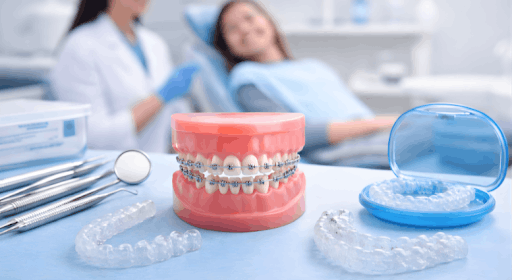
A healthy smile is about more than straight teeth. Proper bite alignment plays a critical role in your ability to chew, speak, and maintain long-term oral health. When teeth and jaws do not align correctly, it can lead to discomfort, uneven wear, and even chronic dental issues. Fortunately, modern Orthodontic Treatment offers effective, evidence-based solutions to correct bite problems and improve overall oral health for children, teens, and adults.
In this guide, we’ll explore how orthodontics works, the types of bite problems it can correct, and why early intervention can make a lasting difference.
Understanding Bite Problems (Malocclusion)
A “bite” refers to how your upper and lower teeth come together when your mouth closes. Ideally, the teeth should align in a way that distributes pressure evenly during chewing. When this alignment is off, the condition is known as malocclusion.
Common Types of Bite Problems
Overbite
The upper front teeth excessively overlap the lower front teeth.
Underbite
The lower teeth extend beyond the upper front teeth.
Crossbite
Some upper teeth sit inside the lower teeth when biting down.
Open Bite
The upper and lower teeth do not touch when the mouth is closed.
Crowding or Spacing Issues
Teeth may overlap or have gaps, affecting both alignment and function.
How Bite Problems Affect Oral Health
Many people assume orthodontics is primarily cosmetic. While straighter teeth certainly enhance appearance, the health benefits are just as important.
1. Increased Risk of Tooth Decay and Gum Disease
Crowded or misaligned teeth create tight spaces that are difficult to clean. Plaque and bacteria can accumulate, increasing the risk of cavities and periodontal disease. Proper alignment allows for easier brushing and flossing, supporting healthier gums.
2. Uneven Tooth Wear
3. Jaw Pain and TMJ Disorders
Bite misalignment can strain the jaw muscles and temporomandibular joints (TMJ). This may cause:
- Jaw pain
- Headaches
- Clicking or popping sounds
- Difficulty opening or closing the mouth
Orthodontic correction can help redistribute pressure evenly and reduce strain.
4. Speech Difficulties
Certain bite issues, such as open bites or severe overbites, may affect pronunciation and speech clarity. Aligning teeth and jaws can improve articulation.
5. Digestive Concerns
Chewing is the first step in digestion. Misaligned teeth may prevent proper breakdown of food, placing additional strain on the digestive system.
How Orthodontic Treatment Corrects Bite Problems
Comprehensive Evaluation
A qualified dental professional begins with:
- Digital X-rays
- Photographs
- Bite analysis
- Jaw growth assessment (especially for children)
This thorough evaluation ensures a personalized and safe treatment approach.
Treatment Options
Traditional Braces
Metal or ceramic brackets bonded to the teeth guide movement over time.
Clear Aligners
Removable trays that gradually shift teeth into alignment.
Palatal Expanders
Often used in children to widen the upper jaw and correct crossbites.
Retainers
Maintain results after active treatment is completed.
Each method serves a specific purpose depending on the type and severity of the bite issue.
The Benefits of Early Orthodontic Intervention
The American Association of Orthodontists recommends that children receive an orthodontic evaluation by age 7. Early assessment does not always mean immediate treatment, but it allows professionals to monitor jaw growth and intervene at the optimal time.
Why Early Treatment Matters
- Guides jaw development
- Reduces the risk of impacted teeth
- Minimizes the need for tooth extractions
- Shortens overall treatment time in adolescence
- Prevents worsening of bite issues
Early intervention can simplify future care and reduce long-term complications.
Orthodontics for Teens and Adults
Modern orthodontic solutions offer discreet options such as clear aligners or tooth-colored ceramic braces, making treatment more comfortable and aesthetically appealing.
- Improve oral hygiene
- Reduce chronic jaw pain
- Prevent further enamel wear
- Enhance confidence and quality of life
It’s never too late to improve your oral health.
Long-Term Oral Health Benefits
- Easier cleaning and reduced plaque buildup
- Healthier gums
- Lower risk of tooth fractures
- Balanced jaw function
- Improved chewing efficiency
- Reduced need for restorative treatments
What to Expect During Treatment
Maintaining Results After Treatment
Frequently Asked Questions
1. How do I know if I have a bite problem?
Common signs include difficulty chewing, jaw pain, uneven tooth wear, frequent headaches, or visibly misaligned teeth. A professional evaluation is the best way to determine if treatment is needed.
2. Is orthodontic treatment only for cosmetic reasons?
3. How long does orthodontic treatment take?
4. Are clear aligners as effective as braces?
5. At what age should children see an orthodontist?
If you’re concerned about your child’s bite development or noticing signs of misalignment, consulting a qualified professional is the first step. Families seeking expert care from a trusted children’s orthodontist in Magnolia, TX can benefit from early evaluations, personalized treatment plans, and comprehensive orthodontic solutions designed to support lifelong oral health.