


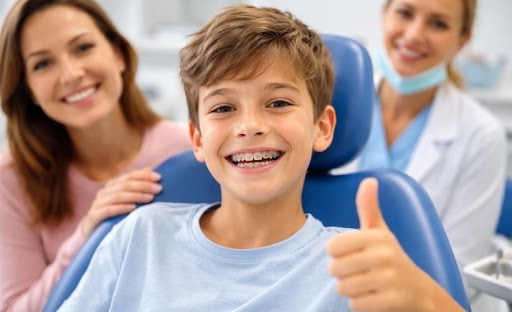
Helping your child transition into life with braces can feel overwhelming at first for both of you. While braces on children’s teeth are a common and effective part of orthodontic treatment, the initial days often come with discomfort, dietary changes, and emotional adjustments.
The good news? With the right approach, support, and guidance from a trusted pediatric dentist, your child can adapt quickly and even feel confident about their new smile journey.
This guide walks you through practical, real-life strategies to help your child adjust comfortably to braces while building healthy habits that last a lifetime.
Understanding What Your Child Is Experiencing
The first step in helping your child is understanding what they’re going through. After getting braces, it’s normal for children to experience:
- Mild soreness or pressure in the teeth and gums
- Sensitivity while eating
- Irritation inside the cheeks and lips
- A feeling of tightness as teeth begin shifting
This is a natural part of orthodontic treatment. Teeth are gradually moving into proper alignment, which is essential for long-term oral health.
Reassure your child that this discomfort is temporary and a sign that the braces are doing their job.
Prepare Your Child Before and After Getting Braces
Preparation plays a major role in easing anxiety.
Before the Appointment
- Explain what braces are and why they are needed
- Show pictures or videos of other kids with braces
- Emphasize the positive outcome a straight, healthy smile
After the Appointment
- Expect some soreness for the first few days
- Offer soft foods and comfort items
- Encourage open communication about how they feel
When children know what to expect, they feel more in control and less anxious.
Manage Discomfort Effectively
One of the biggest concerns with braces on children’s teeth is discomfort. Fortunately, it can be managed easily.
Simple Ways to Reduce Pain
-
- Use orthodontic wax to cover brackets causing irritation
- Offer cold foods like yogurt, smoothies, or ice cream
- Use a cold compress for jaw soreness
- Consult your pediatric dentist about over-the-counter pain relief if needed
Most discomfort fades within a few days after adjustments.
Adjust Your Child’s Diet for Braces
Dietary changes are essential during orthodontic treatment to protect braces and prevent damage.
Foods to Eat
- Mashed potatoes
- Pasta and soft rice
- Scrambled eggs
- Yogurt and smoothies
- Soft fruits like bananas
Foods to Avoid
- Sticky candies and chewing gum
- Hard foods like nuts and popcorn
- Crunchy snacks like chips
- Biting into whole apples or corn on the cob
Helping your child understand why certain foods are restricted makes them more cooperative.
Maintain Proper Oral Hygiene with Braces
Good oral hygiene becomes even more important with braces. Food particles can easily get trapped around brackets and wires.
Daily Care Routine
- Brush after every meal using a soft-bristled toothbrush
- Use fluoride toothpaste recommended by a pediatric dentist
- Floss daily using floss threaders or orthodontic flossers
- Rinse with an antibacterial mouthwash
Regular dental visits ensure that your child’s teeth stay healthy throughout their orthodontic treatment.
Build Confidence and Emotional Support
For many kids, wearing braces is not just a physical adjustment it’s emotional too.
Encourage a Positive Mindset
- Remind them that braces are temporary
- Show examples of celebrities or role models who had braces
- Celebrate milestones during treatment
Address Social Concerns
Some children may feel self-conscious. Reassure them that many kids their age have braces, and it’s a normal part of growing up.
A supportive environment at home can significantly boost your child’s confidence.
Create a Routine Around Orthodontic Care
Consistency makes everything easier.
Set Daily Habits
- Fixed brushing and flossing times
- Regular cleaning of aligners (if applicable)
- Tracking orthodontic appointments
When routines are predictable, children adapt faster and take more responsibility for their oral health.
Stay Consistent with Orthodontic Appointments
Regular visits to your kids orthodontist in Magnolia, TX are essential for progress.
During these visits:
- Adjustments are made to guide tooth movement
- Any issues with brackets or wires are addressed
- Progress is monitored carefully
Skipping appointments can delay treatment and lead to complications.
Use Positive Reinforcement
Motivation goes a long way in helping children adjust.
Reward Good Habits
- Praise consistent brushing and flossing
- Offer small rewards for following dietary rules
- Celebrate progress milestones
Positive reinforcement helps children stay engaged and responsible throughout their orthodontic treatment.
Watch for Common Issues
While braces are safe, occasional issues may arise.
When to Contact Your Pediatric Dentist
- Broken brackets or loose wires
- Severe pain or swelling
- Mouth sores that don’t heal
Prompt attention prevents minor issues from becoming bigger problems.
The Long-Term Benefits of Braces
Helping your child adjust is worth the effort because the benefits are significant:
- Straighter teeth and improved bite
- Better oral hygiene and reduced risk of cavities
- Enhanced speech and chewing function
- Boosted self-confidence
A well-guided orthodontic treatment sets the foundation for lifelong oral health.
FAQs About Braces for Children
How long does it take for kids to get used to braces?
Most children adjust within one to two weeks. Initial discomfort typically fades after a few days.
Do braces hurt children a lot?
Braces may cause mild discomfort, especially after adjustments, but it is manageable and temporary.
What is the best age for braces on children’s teeth?
The ideal age varies, but many children begin treatment between ages 9 and 14. A pediatric dentist can guide you based on your child’s needs.
Can my child play sports with braces?
Yes, but wearing a mouthguard is recommended to protect their teeth and braces.
How often should my child visit the orthodontist?
Typically, every 4–8 weeks, depending on the treatment plan provided by your kids orthodontist in Magnolia, TX.
Adjusting to braces doesn’t have to be stressful. With preparation, patience, and the right support from a trusted pediatric dentist or kids orthodontist in Magnolia, TX, your child can navigate this journey smoothly.
Focus on building positive habits, maintaining open communication, and celebrating progress along the way. Before you know it, your child will not only adjust to braces but feel proud of the healthy, confident smile they’re working toward.