


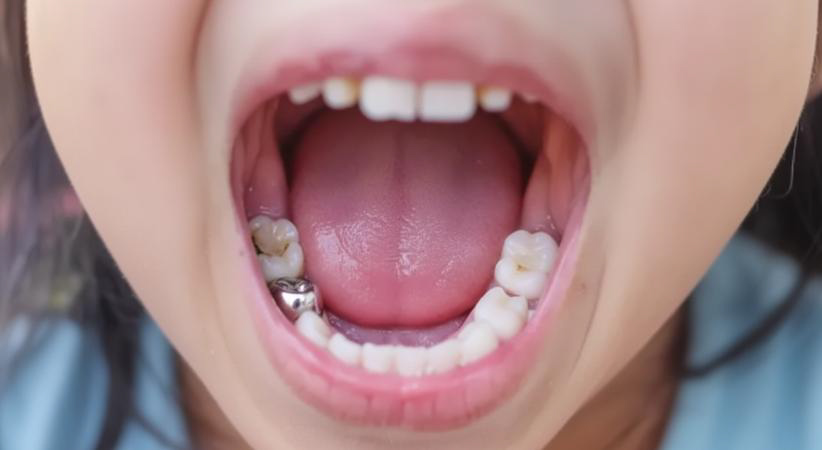
When parents hear that their child may need a dental crown, it often raises concerns about comfort, safety, and necessity. Pediatric dental crowns are a common and effective restorative treatment used to protect damaged teeth and preserve a child’s oral health. Understanding what pediatric dental crowns are, when they are recommended, and how they benefit your child can help parents feel confident in their treatment decisions.
In this guide, we’ll explain pediatric dental crowns in detail, including why they are used, the different types available, the treatment process, and how crowns support healthy dental development in children.
What Are Pediatric Dental Crowns?
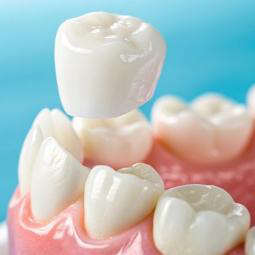
A pediatric dental crown is a tooth-shaped cap placed over a child’s tooth to restore its strength, shape, and function. Unlike fillings, which repair only part of a tooth, crowns cover the entire visible portion of the tooth above the gumline.
Pediatric crowns are specially designed for children’s smaller teeth and are strong enough to withstand everyday chewing. They are commonly used on baby teeth and, in some cases, on permanent teeth when damage is severe.
Why Are Dental Crowns Important for Children?
Baby teeth play a critical role in a child’s growth and development. They help children chew properly, speak clearly, and guide permanent teeth into the correct position. When a baby tooth becomes severely damaged, removing it too early can lead to spacing problems, misalignment, and bite issues later in life.
Pediatric dental crowns help:
- Protect weakened or damaged teeth
- Restore normal chewing and speaking
- Prevent further decay or infection
- Maintain space for permanent teeth
- Support healthy jaw development
Saving a damaged tooth whenever possible is often the healthiest long-term option.
When Does a Child Need a Dental Crown?
A pediatric dentist may recommend a dental crown for a child when a tooth cannot be repaired with a filling alone.
Severe Tooth Decay
Extensive cavities are one of the most common reasons children need crowns. When decay affects a large portion of the tooth, a crown provides full coverage and long-term protection.
After a Pulpotomy (Baby Tooth Root Canal)
If decay reaches the pulp, a pulpotomy for children (often called a baby tooth root canal) may be required. After this procedure, a pediatric dental crown treatment protects the fragile tooth.
Broken or Fractured Teeth
Falls, sports injuries, and accidents can cause cracked or broken teeth. A crown restores the tooth’s structure and prevents further damage.
Developmental Tooth Defects
Some children are born with weak enamel or tooth structure. Crowns help protect these teeth from wear, sensitivity, and decay.
High Risk of Cavities
Children with recurring cavities or poor enamel strength may benefit from crowns to reduce the risk of repeated dental treatment.
Types of Pediatric Dental Crowns
Pediatric dentists offer several crown options based on the tooth’s location and the child’s needs.
Stainless Steel Crowns
Stainless steel crowns are the most commonly used crowns for baby molars.
Benefits include:
- Extremely durable
- Cost-effective
- Long-lasting
- Ideal for back teeth
They typically remain in place until the baby tooth naturally falls out.
Tooth-Colored Crowns
Tooth-colored crowns are often chosen for front teeth or when appearance is a concern.
Benefits include:
- Natural-looking appearance
- Strong and biocompatible
- Popular for visible teeth
Zirconia Crowns
Zirconia crowns are a premium tooth-colored option.
Advantages include:
- Excellent strength
- Smooth surface that resists plaque buildup
- Highly aesthetic appearance
They are commonly used for both front and back teeth when aesthetics and durability are priorities.
What Is the Process for Getting a Pediatric Dental Crown?
Examination and Diagnosis
The pediatric dentist examines your child’s teeth and may take digital X-rays to assess damage. Treatment options are discussed with parents before proceeding.
Tooth Preparation
Decay or damage is gently removed, and the tooth is shaped to fit the crown securely.
Crown Placement
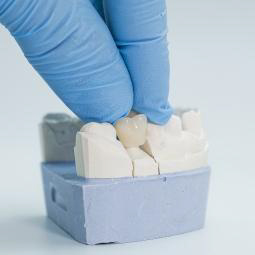
In most cases, pediatric crowns are placed in a single visit. The crown is fitted and cemented onto the tooth.
Comfort and Sedation Options
Many pediatric dental offices offer nitrous oxide (laughing gas) or sedation options to help children feel relaxed and comfortable during treatment.
How to Care for a Child’s Dental Crown
Caring for a crowned tooth is simple:
- Brush twice daily with fluoride toothpaste
- Floss regularly
- Avoid very sticky or hard foods
- Attend routine dental checkups
Proper care helps prevent decay around the crown and keeps gums healthy.
Frequently Asked Questions
When does a child need a dental crown?
A child may need a dental crown if they have severe tooth decay, a broken tooth, infection requiring a pulpotomy, or weakened enamel that cannot be repaired with a filling.
Are dental crowns safe for children?
Yes. Pediatric dental crowns are safe and commonly used in children’s dentistry. They are made from durable, biocompatible materials and help protect teeth from further damage.
Do baby teeth really need crowns?
Yes. Baby teeth are important for chewing, speech, and guiding permanent teeth. Crowns help preserve damaged baby teeth until they fall out naturally.
How long do pediatric dental crowns last?
Pediatric dental crowns are designed to last until the baby tooth naturally falls out, which may be several years depending on the child’s age.
Is sedation available for children getting dental crowns?
Yes. Many pediatric dental offices offer sedation options, such as nitrous oxide (laughing gas), to help children feel calm and comfortable during treatment.
Are pediatric dental crowns covered by insurance?
Many dental insurance plans cover pediatric dental crowns when they are medically necessary, but coverage varies. It’s best to check with your provider.
Pediatric dental crowns are a safe, effective solution for restoring damaged teeth and protecting your child’s oral health. When decay, injury, or infection weakens a tooth, a crown provides strength, comfort, and long-term protection.
Consulting an experienced pediatric dentist can help determine whether a dental crown is the right option for your child and ensure treatment is completed at the right time.