


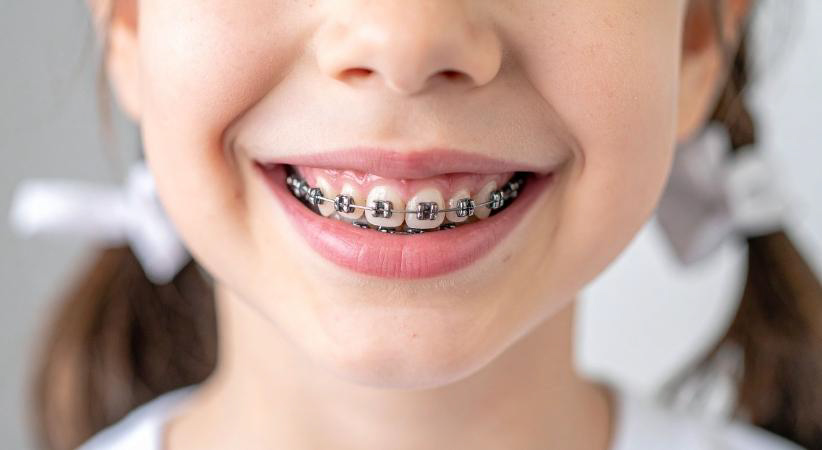
Parents often wonder, “When is the right age for my child to get braces?” It’s a common and important question. While braces are often associated with teenagers, orthodontic care can begin much earlier depending on a child’s dental development. Understanding the right timing for braces can help prevent more serious dental problems later and ensure your child has a healthy, confident smile.
In this blog, we’ll explain the ideal age for braces, early orthodontic evaluations, signs your child may need braces, and what parents should know before starting treatment.
Why Orthodontic Timing Matters for Children
Orthodontic treatment is not just about straightening teeth for cosmetic reasons. Proper alignment of teeth and jaws plays a crucial role in:
- Healthy chewing and digestion
- Clear speech development
- Proper jaw growth
- Preventing tooth wear and decay
Starting orthodontic care at the right time can make treatment easier, shorter, and more effective.

What Is the Ideal Age for Braces?
There Is No One “Perfect” Age
The right age for braces depends on each child’s individual dental and jaw development, not just their age. However, there are general guidelines that orthodontists follow.
What Age Should a Child First See an Orthodontist?
Around Age 7 Is Recommended
The American Association of Orthodontists (AAO) recommends that children have their first orthodontic evaluation by age 7.
This does not mean your child will need braces at age 7. Instead, this early visit allows the dentist or orthodontist to:
- Monitor jaw growth
- Identify bite problems early
- Detect crowding or spacing issues
- Plan treatment at the right time
Early evaluation helps catch issues before they become more complex.
Why Age 7 Is Important
By age 7:
- A mix of baby teeth and permanent teeth are present
- Jaw growth patterns become more noticeable
- Bite problems (overbite, underbite, crossbite) can be detected
Early detection may reduce the need for extensive treatment later.
Common Ages for Braces in Children
Early Orthodontic Treatment (Ages 7–10)
This phase is sometimes called Phase 1 orthodontics.
Children may benefit from early treatment if they have:
- Severe crowding
- Crossbite or underbite
- Jaw growth issues
- Thumb sucking that affects tooth alignment
- Protruding front teeth (risk of injury)
Goals of early treatment:
- Guide jaw growth
- Create space for permanent teeth
- Reduce the severity of future orthodontic issues
Early treatment may involve:
- Expanders
- Partial braces
- Space maintainers
Not all children need Phase 1 treatment.
Traditional Braces Age (Ages 11–14)
This is the most common age range for braces.
At this stage:
- Most permanent teeth have erupted
- Jaw growth is still active
- Teeth move more easily
Why this age is ideal:
- Treatment is more predictable
- Results are often faster
- Long-term outcomes are excellent
This is when most children get full braces or clear aligners.
Braces for Teens (Ages 15–18)
Braces can still be very effective in the teenage years.
However:
- Jaw growth is nearly complete
- Some issues may require longer treatment
- Severe cases might need more advanced options
While earlier treatment can simplify care, braces at this age still provide great results.
Signs Your Child May Need Braces
Parents should watch for these common signs:

- Crowded or overlapping teeth
- Early or late loss of baby teeth
- Difficulty chewing or biting
- Mouth breathing
- Thumb sucking beyond age 5
- Protruding front teeth
- Jaw clicking or shifting
- Teeth that don’t meet properly
If you notice any of these, an orthodontic evaluation is recommended.
Types of Braces for Children
Depending on age and needs, options may include:
Traditional Metal Braces
- Most common and effective
- Durable and cost-effective
- Ideal for complex cases
Ceramic (Tooth-Colored) Braces
- Less noticeable than metal
- Popular with older children and teens
Clear Aligners (In Some Cases)
- Removable and discreet
- Suitable for mild to moderate issues
- Requires strong compliance
An orthodontist will recommend the best option based on your child’s needs.
Are Braces Painful for Children?
Parents often worry about discomfort. The truth is:
- Mild soreness is common at the beginning
- Pressure is usually felt for a few days after adjustments
- Pain is manageable with soft foods and over-the-counter relief
Children typically adapt quickly and resume normal activities within days.
How Long Do Children Need to Wear Braces?
Treatment time varies based on complexity.
Average treatment duration:
- 12 to 24 months
Early intervention can sometimes shorten overall treatment time. After braces, most children will need to wear a retainer to maintain results.
What Happens If Braces Are Delayed?
Delaying orthodontic treatment can lead to:
- Increased crowding
- Worsening bite problems
- Higher risk of tooth wear or damage
- Longer and more expensive treatment later
Early evaluation does not mean early braces, but it ensures the best timing.
How Parents Can Prepare Their Child for Braces
Here are some helpful tips:
- Explain the process in simple terms
- Emphasize the benefits of a healthy smile
- Reassure them about discomfort
- Encourage good oral hygiene habits
Positive preparation helps children feel confident and cooperative.
Frequently Asked Questions
Is age 7 too early for braces?
No, age 7 is not too early for an orthodontic evaluation, but most children do not need braces at that age. Early visits help identify problems early and plan treatment at the right time.
Can a child get braces with baby teeth?
Yes, in certain cases. Some children may benefit from early orthodontic treatment while they still have baby teeth, especially if there are jaw growth issues, severe crowding, or bite problems.
Do all children need braces?
No, not every child needs braces. Some children naturally develop straight teeth and a healthy bite. An orthodontic evaluation helps determine whether treatment is necessary.
Are braces painful for children?
Braces may cause mild discomfort or soreness, especially after placement or adjustments. This usually lasts a few days and can be managed with soft foods and over-the-counter pain relief.
Can braces fix jaw problems in children?
Yes. Braces and other orthodontic appliances can help guide jaw growth in children, especially when treatment begins early. This can reduce the need for more complex treatments later in life.
How often will my child need orthodontic appointments?
Most children need orthodontic visits every 4 to 8 weeks to adjust braces and monitor progress. Regular visits help ensure treatment stays on track.
Do braces affect speech in children?
Some children may experience minor speech changes initially, but this usually improves quickly as they adjust to the braces.
Is orthodontic treatment covered by dental insurance?
Coverage varies by insurance plan. Some plans cover part of orthodontic treatment for children, while others may not. It’s best to check with a provider or dental office.
Choosing the right age for braces is not about following a fixed number it’s about understanding your child’s unique dental development. While most children benefit from braces between the ages of 11 and 14, an early orthodontic evaluation around age 7 allows dental professionals to monitor growth, identify potential issues early, and plan treatment at the most effective time. Early guidance can help prevent more complex problems, shorten treatment time, and support a healthier, more confident smile as your child grows.
Consulting an experienced Orthodontist Magnolia, TX 77355 can help parents make informed decisions about the right time for orthodontic treatment.