


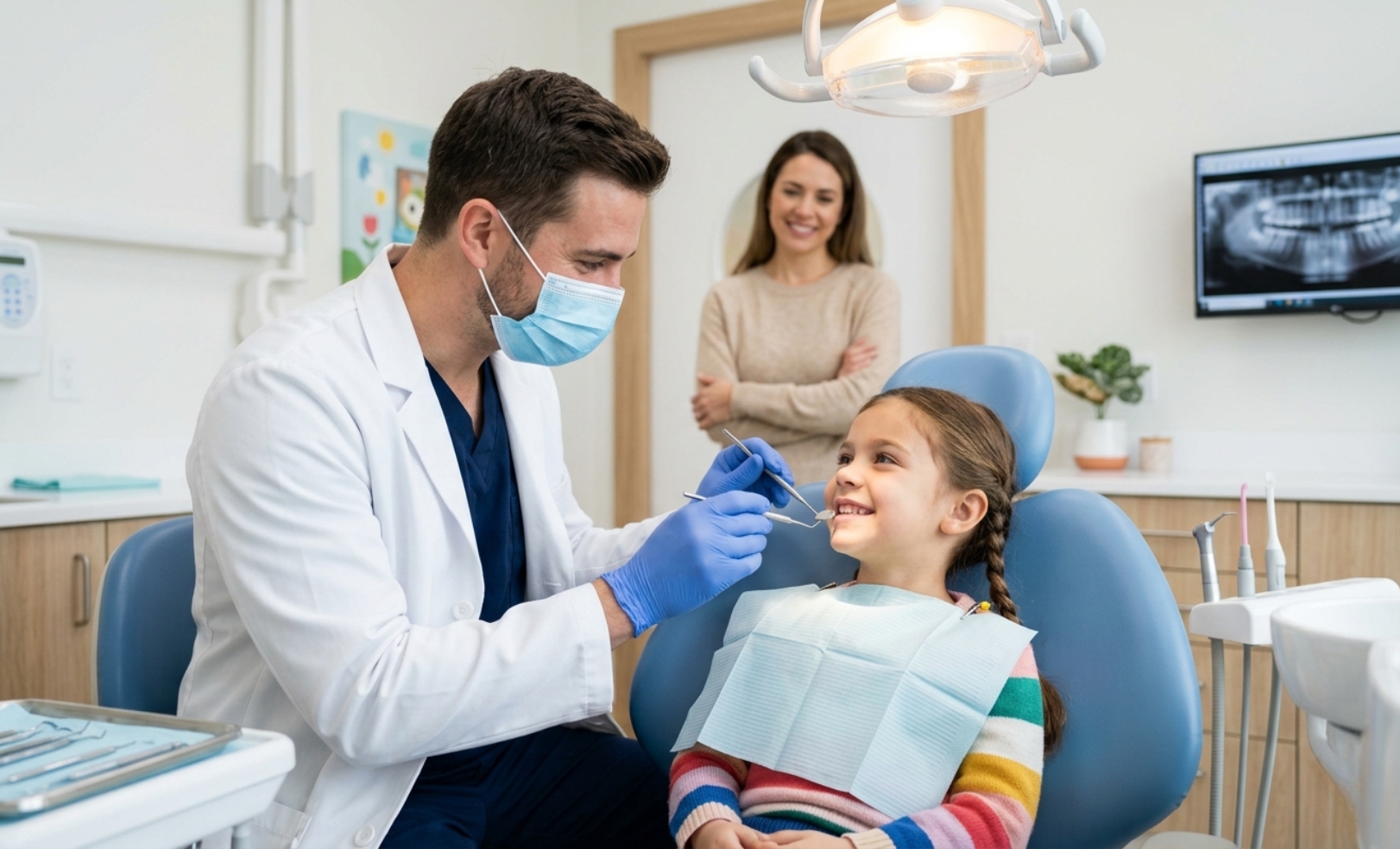
As a parent, it’s natural to wonder whether your child’s teeth are developing the way they should. While many people associate braces with teenagers, the reality is that early orthodontic evaluation can make a significant difference in a child’s oral health. Knowing when to seek orthodontic treatment can help prevent more complex issues down the road.
Why Early Orthodontic Care Matters
Orthodontic problems don’t appear overnight. Issues like misaligned teeth, bite problems, or jaw irregularities often develop gradually as a child grows. Early pediatric orthodontic treatment focuses on identifying these concerns before they become more serious.
The advantage of early care is simple:
It allows dentists and orthodontists to guide proper jaw and tooth development rather than correcting fully developed problems later.
When Should Kids First See an Orthodontist?
The Ideal Age for an Orthodontic Evaluation
The American Association of Orthodontists recommends that children have their first orthodontic evaluation by age 7. At this stage:
- Permanent teeth are starting to come in
- Jaw growth is still active
- Early signs of alignment or bite issues can be detected
This doesn’t always mean your child will need immediate orthodontic treatment, but it allows the orthodontist to monitor growth and plan ahead if necessary.
Signs Your Child May Need Orthodontic Treatment
Not all orthodontic issues are obvious. However, there are certain signs parents should watch for:
Common Indicators
- Crowded or overlapping teeth
- Early or late loss of baby teeth
- Difficulty chewing or biting
- Thumb sucking beyond age 5
- Mouth breathing
- Jaws that shift or make sounds
- Teeth that don’t meet properly
What Is Pediatric Orthodontic Treatment?
Understanding Early (Phase 1) Treatment
Pediatric orthodontic treatment, often called Phase 1 treatment, focuses on guiding jaw growth and creating space for permanent teeth.
This may include:
- Space maintainers
- Partial braces
- Palatal expanders
- Habit-correcting appliances
The goal is not just to straighten teeth but to ensure proper development of the jaw and bite.
Benefits of Early Orthodontic Treatment
Starting orthodontic treatment at the right time offers several advantages:
1. Prevents More Serious Problems
Early intervention can stop minor issues from becoming severe, reducing the need for complex treatments later.
2. Guides Jaw Development
Correcting jaw growth early can improve facial symmetry and function.
3. Creates Space for Permanent Teeth
Addressing crowding early helps permanent teeth erupt in the correct position.
4. Reduces Treatment Time in the Future
Children who receive early care often require shorter or less intensive treatment during their teenage years.
5. Improves Confidence
A properly aligned smile can boost your child’s self-esteem during important developmental years.
What Happens During the First Orthodontic Visit?
Visiting an orthodontist for kids is typically simple and stress-free.
Initial Evaluation Includes:
- A visual examination of teeth and jaw
- X-rays (if needed)
- Bite analysis
- Discussion of growth patterns
The orthodontist will determine whether:
- Immediate orthodontic treatment is needed
- Monitoring is sufficient
- Future treatment may be required
This visit is more about planning than starting treatment right away.
Types of Orthodontic Treatment for Kids
Not every child requires the same approach. Depending on your child’s needs, treatment options may include:
1. Traditional Braces
Metal braces remain one of the most effective solutions for correcting alignment issues.
2. Clear Braces
Less noticeable than metal braces, offering a more aesthetic option.
3. Expanders
Used to widen the upper jaw and create space for teeth.
4. Space Maintainers
Help preserve space when baby teeth are lost too early.
5. Aligners (in some cases)
Clear aligners may be suitable for older children with mild alignment issues.
Each option is carefully selected based on the child’s age, dental development, and specific orthodontic concerns.
How Parents Can Support Their Child During Orthodontic Care
Parental involvement plays a crucial role in the success of pediatric orthodontic treatment.
Practical Tips:
- Encourage proper oral hygiene (brushing and flossing)
- Follow dietary guidelines (avoid sticky or hard foods)
- Ensure appliances are worn as instructed
- Attend regular follow-up appointments
Consistency helps ensure effective and timely results.
Is Early Orthodontic Treatment Always Necessary?
Not every child needs early intervention. In some cases, orthodontists may recommend a “wait and watch” approach.
When Monitoring Is Enough:
- Mild crowding
- No jaw growth issues
- Proper bite alignment
However, regular checkups are essential to track any changes. Even if treatment isn’t needed immediately, early evaluation ensures nothing is missed.
Choosing the Right Orthodontist for Your Child
Finding the right provider is key to a positive experience.
When looking for an orthodontist for kids, consider the following:
- Experience in pediatric orthodontic treatment
- A child-friendly environment
- Clear communication with parents
- Personalized treatment plans
A skilled orthodontist doesn’t just treat teeth; they guide your child through a comfortable and confident journey.
Setting the Foundation for a Healthy Smile
Orthodontic care is about more than aesthetics; it’s about function, comfort, and long-term oral health. Knowing when to begin orthodontic treatment can prevent complications and make the process smoother for your child.
Early evaluation doesn’t always mean early braces, but it does mean being proactive. With the right timing and expert care, your child can enjoy a healthy, well-aligned smile that lasts a lifetime.
Frequently Asked Questions (FAQs)
1. At what age should my child see an orthodontist?
Children should have their first orthodontic evaluation by age 7 to identify potential issues early.
2. Does early orthodontic treatment mean my child will get braces right away?
Not necessarily. Many children are monitored until the right time for treatment.
3. How long does pediatric orthodontic treatment take?
Treatment duration varies but typically ranges from several months to a few years, depending on the complexity.
4. Are orthodontic treatments painful for kids?
Most treatments involve mild discomfort initially, but it is temporary and manageable.
5. Can orthodontic problems correct themselves over time?
Some minor issues may improve naturally, but many require professional evaluation and treatment to prevent complications.
Give Your Child the Best Start for a Healthy Smile
Don’t wait until orthodontic issues become more complicated. Early evaluation and timely care can make all the difference.
Schedule a consultation with a trusted orthodontist for kids in Magnolia, TX, and take the first step toward a healthier, more confident smile for your child.