


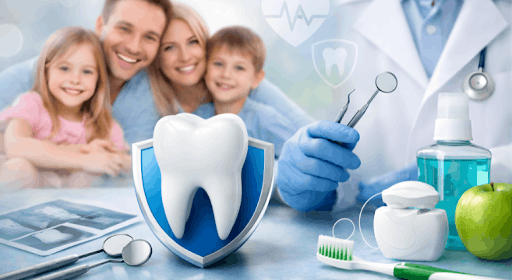
A healthy smile doesn’t happen by chance; it’s built through consistency, awareness, and proactive care. Rather than waiting for toothaches, cavities, or gum disease to develop, Preventive Dental Care focuses on stopping problems before they start. This proactive approach not only protects your teeth and gums but also supports your overall health and reduces the need for complex treatments later in life.
What Is Preventive Dental Care?
Core Components of Preventive Dentistry
- Routine dental exams
- Professional teeth cleanings
- Digital X-rays, when necessary
- Fluoride treatments
- Dental sealants (especially for children)
- Oral cancer screenings
- Patient education and hygiene guidance
Why Prevention Matters for Long-Term Oral Health
1. Reduces the Risk of Cavities
Tooth decay begins when plaque bacteria produce acids that erode enamel. Without intervention, cavities can deepen and lead to infection. Professional cleanings remove hardened plaque (tartar) that brushing alone cannot eliminate. Early detection allows dentists to treat minor decay before it requires extensive restoration.
2. Protects Against Gum Disease
3. Preserves Natural Teeth
Natural teeth are always preferable to artificial replacements. Preventive strategies help avoid extractions by maintaining enamel strength and gum health. Preserving your natural tooth structure supports better chewing, speech, and jaw stability.
4. Supports Overall Health
5. Saves Time and Money
The Role of At-Home Care
Professional visits are only part of the equation. Daily habits form the foundation of Preventive Dental Care.
Essential Daily Practices
- Brush twice daily with fluoride toothpaste
- Floss once daily
- Use an antibacterial mouth rinse if recommended
- Limit sugary snacks and beverages
- Replace your toothbrush every 3-4 months
Preventive Care for Children
Why Early Visits Matter
- Monitor growth and development
- Apply fluoride treatments
- Place dental sealants on molars
- Identify bite or alignment concerns
- Educate parents about nutrition and hygiene
Preventive care also helps children feel comfortable in the dental environment, reducing anxiety as they grow older.
Preventive Dentistry for Teens and Adults
- Early gum disease
- Enamel erosion
- Teeth grinding (bruxism)
- Oral cancer
- Restorations that may need maintenance
Even patients with excellent brushing habits benefit from professional cleanings and routine examinations.
Oral Cancer Screenings: An Often Overlooked Benefit
One critical component of preventive visits is oral cancer screening. Dentists examine the tongue, cheeks, throat, and surrounding tissues for abnormalities. Early detection significantly improves treatment outcomes, reinforcing the life-saving importance of regular dental exams.
Building a Lifelong Preventive Strategy
- Age
- Risk factors
- Medical history
- Oral health condition
- Family history
What to Expect During a Preventive Visit
- Review of medical and dental history
- Professional cleaning to remove plaque and tartar
- Comprehensive examination of teeth and gums
- Digital X-rays, if indicated
- Oral cancer screening
- Personalized hygiene recommendations
These visits are designed to be thorough yet comfortable, providing valuable insight into your oral health status.
Frequently Asked Questions
How often should I schedule preventive dental visits?
Is preventive dental care necessary if I brush and floss daily?
Are dental X-rays safe?
At what age should children start preventive dental visits?
Can preventive care really reduce long-term dental costs?
Preventive Dental Care is truly the cornerstone of lifelong oral health. By focusing on early detection, consistent hygiene, and routine professional visits, patients can protect their smiles for decades. Prevention reduces pain, lowers costs, and supports overall well-being.